D-Link Business Solutions

Build the Network Your Business Needs

From growing businesses and connected properties to surveillance, local infrastructure, and remote operations, D-Link solutions help organizations build, expand, and modernize networks to support evolving connectivity needs. Find switching, wireless, PoE, fiber, surveillance, network management, industrial networking, and 5G/4G IoT solutions for projects from core to edge/access and beyond.

  • Networking Solutions for Multi-Dwelling Units

    Apartments, condominiums, student housing, senior living communities, hotels, and mixed-use properties use connected systems for security, access, resident and guest services, entertainment, and building operations.

    Build a connected property network across buildings, floors, shared spaces, parking areas, outdoor locations, and remote equipment, from core and distribution to edge/access.

    Solution Areas

    • Core, aggregation, and edge/access switching
    • Multi-Gigabit and PoE connectivity
    • Indoor and outdoor Wireless solutions
    • IP cameras and surveillance infrastructure
    • Industrial and outdoor edge networking
    • Network management
    • 5G/4G IoT connectivity
    View Multi-Dwelling Unit Solutions 
  • Surveillance Solutions from Camera to Core

    AI-enabled video, edge analytics, and higher-resolution imaging are increasing demands on network power, bandwidth, aggregation, recording, and visibility.

    D-Link supports surveillance from camera to core with IP cameras, Network Video Recorders, PoE and Multi-Gigabit edge/access switching, 10GbE copper and fiber connectivity, industrial edge networking, network management, and 5G/4G IoT connectivity.

    Solution Areas

    • IP cameras
    • Network Video Recorders
    • PoE and Multi-Gigabit edge/access
    • Core and aggregation switching
    • Fiber connectivity and transceivers
    • Industrial and remote-edge connectivity
    View Surveillance Solutions 
  • Micro Data Center and Local Infrastructure Solutions

    Many organizations use cloud services while continuing to keep sensitive data, video, analytics, business applications, and operational platforms within local infrastructure.

    D-Link high-speed switching connects local servers, storage, applications, users, and edge environments while providing the telemetry and network visibility teams need to monitor traffic, assess infrastructure health, troubleshoot performance, and plan capacity.

    Solution Areas

    • 25GbE and 100GbE micro data center switching
    • High-density 10GbE and 100GbE aggregation
    • Local server and storage connectivity
    • Fiber connectivity and transceivers
    • Managed access and PoE
    • Alternate and remote connectivity
    View Micro Data Center Solutions 

From Core to Edge

Core-to-Edge Switching Solutions

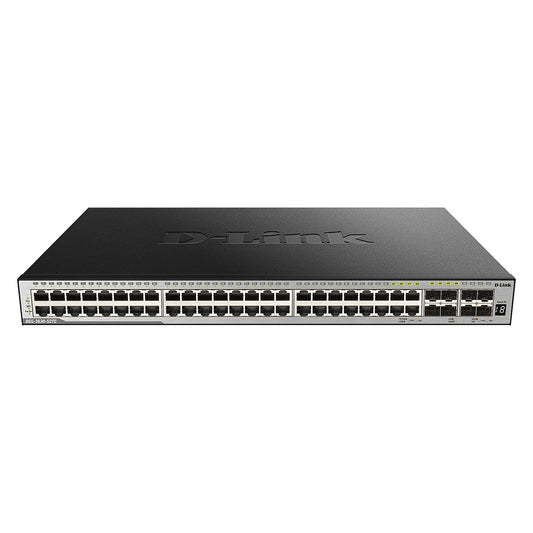
Network requirements change from the core to the edge/access layer. D-Link switching supports high-speed core and aggregation, building distribution, Multi-Gigabit PoE edge/access, and industrial switching for outdoor and remote locations.

As traffic moves between network layers and connected locations, consider bandwidth, uplink speed, PoE budget, fiber connectivity, management, environmental requirements, and form factor to help select the right switching approach for each part of the network.

Core-to-Edge Overview

  • Core

    Provides the high-capacity backbone connecting major network areas, local infrastructure, servers, storage, and upstream services.

  • Aggregation & Distribution

    Collects traffic from access switches and connects buildings, floors, wiring closets, and network areas back to the core.

  • PoE Edge/Access

    Connects and powers cameras, access-control systems, phones, sensors, and other compatible PoE devices at the edge/access layer.

  • Industrial & Remote Edge

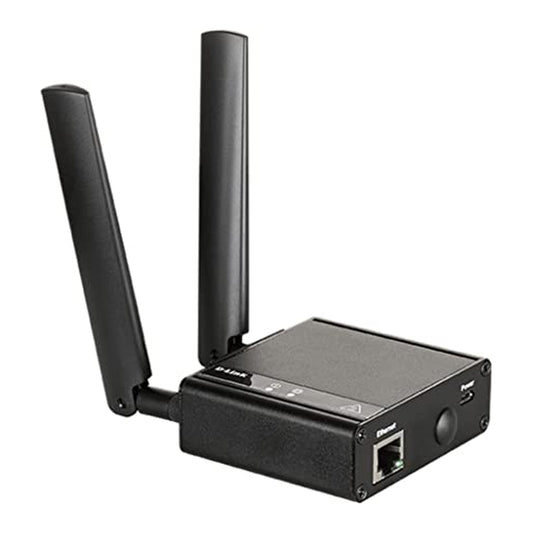
    Extends connectivity to outdoor, parking, utility, surveillance, kiosk, cellular, and other remote or hard-to-wire environments.

Integration Flexibility

Standards-Based Switching and Management

D-Link business switches support common networking standards and multiple management methods, helping reduce dependence on a single proprietary platform.

Available options may include Web UI, CLI, SNMP, VLANs, QoS, routing, and stacking. Compatibility, supported features, and management options vary by product family, model, hardware revision, software version, configuration, and network environment.